Home Care After a Hospital Stay: Supporting Recovery
Coming home from the hospital is a relief, but it can be harder than expected. You might be weaker and more tired than usual. You will have new meds, new restrictions and a folder full of discharge papers to go through.
For families, those first few weeks can be stressful. You want your loved one to be safe, of course, but you can’t be there 24/7. That’s where home care comes in. At Chesapeake Caregivers we provide post-hospital care to families in Anne Arundel County, Queen Anne’s County, Annapolis and the surrounding Maryland areas.
The First Few Weeks at Home Matter
The days right after discharge are when a small problem can easily become a major one. A fall, a missed dose or an infection that you don’t spot can all lead to you going back to the hospital.
Older people tend to lose strength during a hospital stay. A few days in bed can affect balance and stamina. The simple act of walking down the hall to the bathroom, or even just making a meal, can be exhausting for a while.
Common Challenges After Coming Home
Every recovery is different. Still, many people face the same hurdles once they get home:
- Weakness, fatigue, or shaky balance
- New or changed medications
- Limits on lifting, driving, or climbing stairs
- Incisions or wounds that need watching
- Follow-up appointments
- Trouble sleeping or feeling low
How Post-Hospital Care Supports Recovery
Post-hospital care is hands-on help at home as you or your loved one rebuild strength. It can be a few hours a day or it can be 24/7. Many families use it for a few weeks, then scale back as they get better.
Help with Daily Activities
Getting in and out of bed, showering and dressing can all be risky after surgery or illness. Our caregivers provide personal care with safe transfers and a steady arm to lean on. They do it with patience and with respect to privacy.
Staying on Top of Medications
It’s quite normal to walk out of hospital with a whole new list of medications. Some will be added to your list, and some will be taken off. Mix-ups are easy to make. That’s why caregivers are so important for reminders, so you don’t miss a dose or end up taking two of the same medication.
Preventing Falls
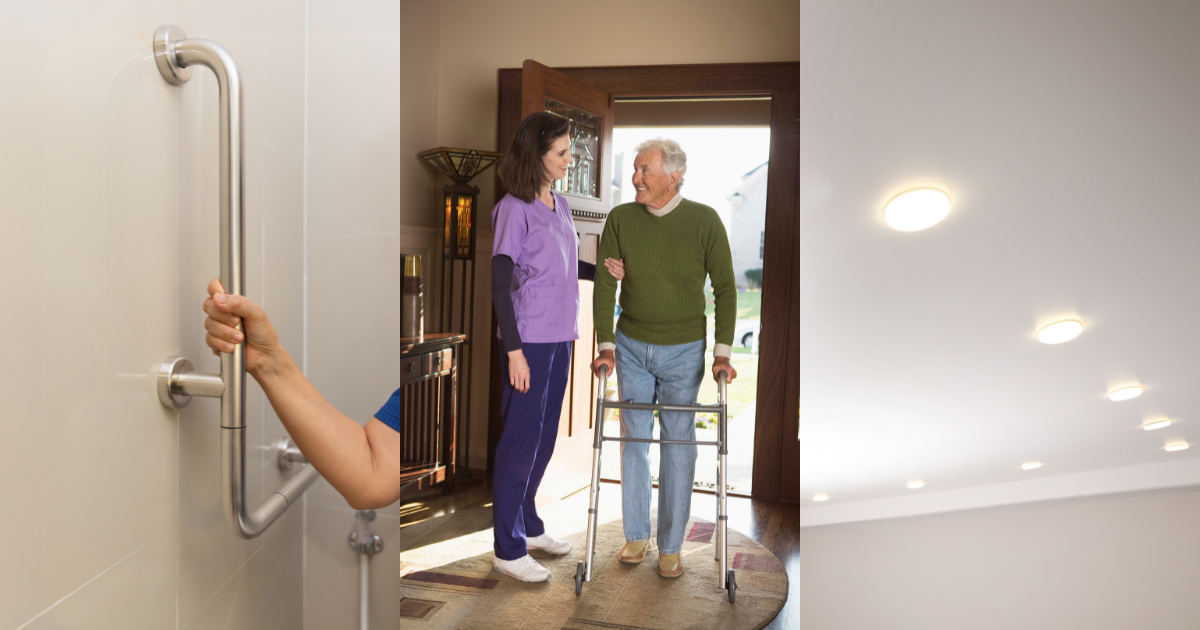
According to the CDC, falls are a leading cause of injury in older adults. The risk increases after a hospitalization. A caregiver can help with walking, keep pathways clear, and make sure the lights are on at night. We can provide a free home safety assessment and we have an article on home modifications that has some very simple ideas to reduce the risk.
Meals, Errands, and Rides
Nutritious food supports healing. Caregivers can go out and shop, cook and ensure that meals are suitable for any diet the doctor has prescribed. They can also handle errands and light housework or drive you to your follow up appointments and the pharmacy. Find out more about our ADL services.
Company and Encouragement
Recovery can be so slow and so lonely. A friendly face can make days so much more fulfilling. Caregivers will notice the changes, celebrate progress, and help you do the exercises your physio has prescribed.
Plan Before You Leave the Hospital
The ideal time to arrange home care is before discharge day. Talk to your discharge planner or case manager. Ask them things like:
- What meds are new, changed or stopped?
- What activities should be avoided and for how long?
- Which warning signs would warrant a call to the doctor?
- When are the follow up appointments?
- Will nursing/therapy visits be arranged at home?
It’s worth knowing the difference between home health and home care. Home health is medical care (nursing, physical therapy, etc.) that is ordered by a doctor. Medicare covers home health for people who are homebound and need skilled care. Home care is non-medical care for day-to-day activities (bathing, meals, getting to appointments, etc.). The National Council on Aging has a very clear guide on what Medicare will and won’t pay for.
Many families use both. The nurse will visit a few times a week and the caregiver will cover the rest of the time.
Our care coordination team can assist with this step. We work with social workers and case managers at local hospitals (Luminis Health Anne Arundel Medical Center, University of Maryland Baltimore Washington Medical Center, and Johns Hopkins). We have a specific program in place for stroke recovery, cardiac care and several other complex conditions.
Paying for Post-Hospital Care
Funding options for in-home care include long-term care insurance, veterans benefits, and private pay. Our guide on how to pay for in home care in Maryland looks at all of those options. We also offer affordable home care for families on a tight budget.
Local agencies can also help. The Queen Anne’s County Area Agency on Aging and Anne Arundel County Department of Aging and Disabilities both have resources available for older adults and their families.
Get Home Care Support from Chesapeake Caregivers
A hospital stay is tough enough. Coming home doesn’t need to be. Our caregivers are matched to each client’s individual needs and personality and we have a Registered Nurse on staff to look after the care plans. We’ve been in the home care business as a trusted, family owned business since 1997.
We proudly serve Anne Arundel County, Queen Anne’s County, Annapolis and the surrounding areas of Maryland. If you or a family member is coming home from the hospital, please call us at 410-919-0190 or contact us online. We’ll help you put together a plan for a safe, stable recovery