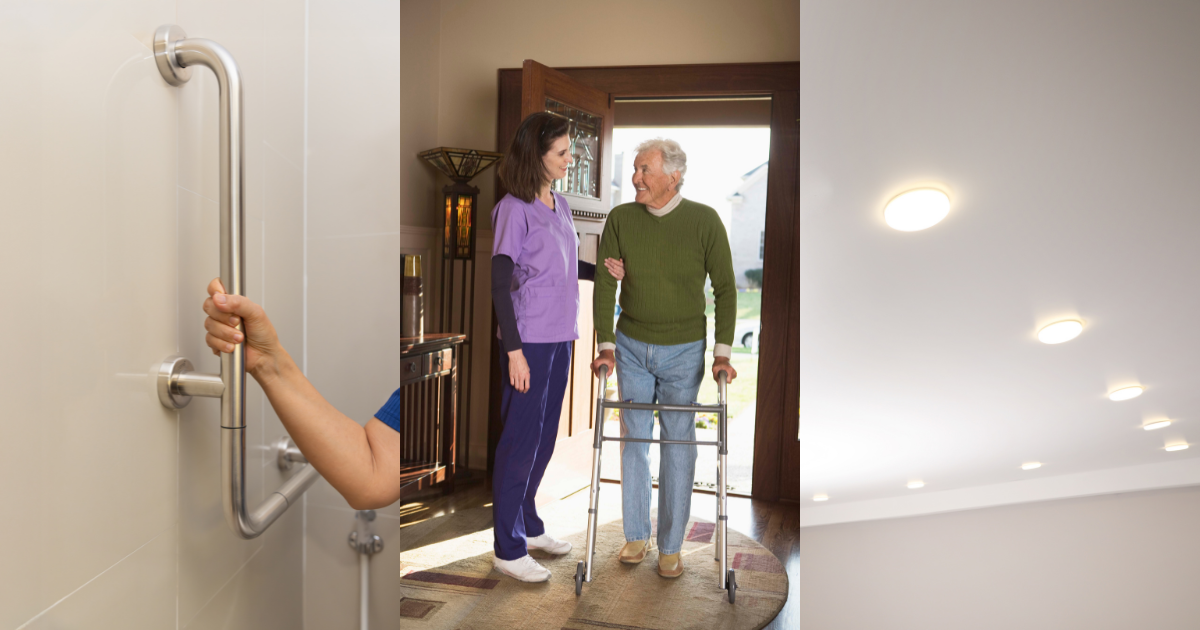
Many seniors lack the income or savings to pay for personal care, home modifications to enable aging in place, or long-term care insurance. However, they do have financial resources tied up in their home ownership. For some, a reverse mortgage is a good option for paying for senior care. That said, every family’s situation is unique, and in some cases, a reverse mortgage is not the best option. The following explores various scenarios and why different families might opt for or against using a reverse mortgage.
Single Seniors in Fair Health
Reverse mortgages are a good option, as the elderly individual does not require immediate care. Many seniors in this situation will continue to live independently in their homes for some years. And they can use the proceeds from a reverse mortgage to buy long-term care insurance and/or make modifications to their home that make it safer and more accessible, helping them age in place longer or indefinitely.
Single Seniors in Need of Care
If the family can provide enough care to enable the individual to remain living in their home, or the proceeds from a reverse mortgage can pay for in-home care or adult day care, then a reverse mortgage is a viable option. However, if someone cannot provide care at home and the senior’s health will require them to move into assisted living or a skilled nursing home in the near future, then a reverse mortgage might not be the best option. The rules governing reverse mortgages require the sale of the home if the owner lives outside the home for 12 consecutive months. Thus, selling or renting the home is a better option to support paying for senior care.
Married Seniors in Fair Health
Reverse mortgages are a good option when neither senior requires immediate care, and at least one spouse will live in their home for several years. Couples in this situation will often use the proceeds to buy long-term care insurance or make home accessibility modifications in anticipation of a future disability. Some individuals are concerned that if they live in the home for many years and continue to borrow against its value, their loan may exceed the home’s value. In this aspect, there is no need for concern. The government assumes this loan-to-value risk, and seniors will never owe more than their home’s value.
Married Seniors with One Spouse in Need of Care
A common reason that seniors seek reverse mortgages is when one spouse of a married couple requires care. A spouse in poor health may need to move into a skilled nursing or assisted living community, and the family may require resources to cover the cost of that care. Couples include both partners on the reverse mortgage agreement. Should the spouse receiving care pass away, the remaining spouse continues to live in the home. Should the spouse in the home die first, the rules allow one year for the sale of the home. Following the sale and repayment of the loan, the remaining resources from the home sale can pay for the surviving senior’s ongoing care.
Married Seniors with Both Spouses in Need of Care
Reverse mortgages are not the best option for married couples when both spouses require care. Complications arise when both seniors move from their homes and enter assisted living or skilled nursing communities in the near future. Reverse mortgages become due when the last borrower moves from the home or passes away. Renting or selling the home may be a better option. However, reverse mortgages remain an option for paying for in-home care, enabling seniors to continue living comfortably at home.
Planning for senior care can be a balance emotional and financial decisions. For some families, a reverse mortgage can provide the flexibility needed to cover care expenses while allowing a loved one to age in place. With the right support services, staying in one’s home protects both independence and quality of life. If you’re exploring options for in-home care, contact Chesapeake Caregivers to schedule a consultation and learn how their compassionate team can help your family develop a care plan.
Content provided by PayingforSeniorCare.com